The Best Tools for Finding Profitable Local Search Terms
The centroid collapse that cost a local business its entire digital presence
The Best Tools for Finding Profitable Local Search Terms rely on physical location, real world entities, and proximity indicators rather than simple high volume global keywords. Real local search optimization demands that you identify search queries with high buying intent mapped to precise geographical coordinates. Let us analyze how to discover these terms while protecting your digital footprint from algorithmic filters.
Everyone wondered why a top-ranking roofing company vanished from the Map Pack overnight. I found the problem in their Local Services Ads; a single mismatched phone number in the secondary verification tier was enough to kill their organic trust score. That single technical oversight triggered a cascade that stripped their prominent map placement. This is the reality of modern local search database management. The digital ecosystem is connected by invisible trust strings. If one string frays, the entire structure collapses. When local businesses buy cheap lead generation schemes or attempt to expand into multiple suburbs with unverified mailboxes, they create an unstable foundation. These short sighted shortcuts trigger algorithmic flags that ruin established map pack rankings.
“Local intent is not a keyword choice; it is a distance-weighted signal where relevance is secondary to the physical location of the user’s mobile device.” – Map Search Fundamentals
The geographic boundaries of search query value
Local search term selection is dictated by geographic boundaries, grid-based searcher behavior, and localized intent markers that vary between individual streets. Traditional database tools will tell you that a keyword has thousands of monthly searches. They fail to mention that eighty percent of those searches are informational queries made by people outside your service area. Real profitability is found in localized transactional modifiers that match the exact movement of your target audience. You must locate the high intent terms that show up on mobile devices within a specific three mile radius of your actual business entrance.
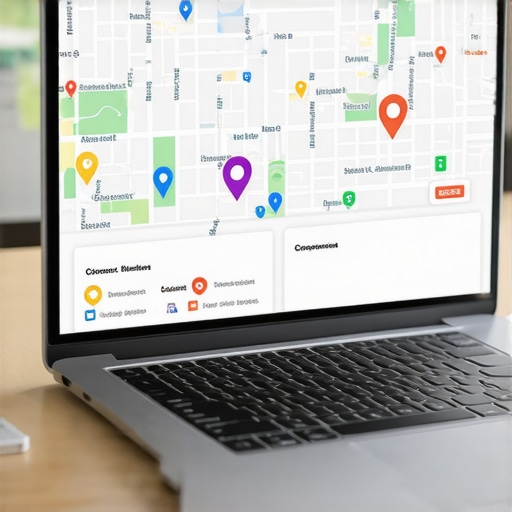
We can no longer afford to treat an entire city as a single marketplace. The map pack changes block by block. A user looking for a service on one side of a major highway sees completely different listings than someone searching three blocks away. To master these nuances, smart marketers use dedicated gmb ranking tools for agencies to map out exact grid positions. These specialized utilities run automated coordinate checks across your target zip codes. This reveals where your visibility drops and which hidden search terms are driving real business to your local competitors.
This level of structural spatial testing is what separates professional local optimization from simple keyword stuffing. Real search dominance is won by understanding exactly where your physical address places you relative to the local search centroid. When you are outside this primary area, you must shift your strategy to win digital traffic. You can target transactional terms through highly optimized location pages or structured service area landing pages.
The math behind low competition search terms
Finding low competition local search terms requires analyzing user search modifiers, primary business categories, and localized consumer pain points. By focusing your research on specific long tail phrases that include regional landmarks, neighborhood names, or urgent service terms, you bypass high competition keywords. This approach allows you to secure highly profitable map pack placement without spending years fighting massive national competitors who have unlimited advertising budgets.
When searching for these valuable terms, look for phrases that signify a buyer is ready to make a decision immediately. This is particularly critical if you have recently suffered a sudden drop in your digital search metrics. Implementing the keyword research move that finds low competition map terms is the fastest way to discover these hidden opportunities. By targeting specific geographic modifier combinations, you can capture high intent traffic that your competitors have completely overlooked. This focused approach provides immediate relief to businesses trying to recover their organic customer flows after an algorithm shift.
How website architecture influences your local map listings
Your physical map listing is mathematically bound to the organic authority, technical integrity, and structured entity signals of your primary website. Google does not evaluate your business profile in a vacuum. The search algorithm crawled your corporate website first, checking for matching address details, fast page speeds, and clean crawl paths. If your website is buried under technical errors, your Google map placement will decline in parallel.
When your website suffers an organic ranking drop, your map placement is usually dragged down with it. Business owners often waste money optimizing their listings while neglecting major technical errors on their main websites. If you are struggling to maintain your digital footprint, you must investigate why your websites de-ranking is dragging down your local map spot to stop the loss of customer calls. If your primary landing pages are slow, broken, or plagued by poor indexing, Google’s trust in your physical business coordinates will erode.
Fixing these issues requires a thorough technical clean up. You need to ensure your physical address, phone numbers, and operational hours exactly match the text inside your website footer and your structured schema markup. Even minor code mismatches can cause algorithmic confusion, leading to poor rankings in local search results.
Local Authority Reading List
- Find the tools to beat expensive marketing agencies: the low-cost toolkit that beats high-priced local seo agencies
- Learn to locate and fix broken links that hurt map visibility: fixing the broken links that tank your map visibility
- Review the process to salvage a website that lost organic rankings: how-to-salvage-a-website-that-lost-its-search-rank
- Discover why technical website errors keep you out of the map pack: why-technical-website-errors-are-keeping-you-out-of-the-map-pack
- Explore the checklist to rebuild local traffic after algorithm shifts: the-checklist-for-rebuilding-your-local-traffic-after-the-latest-algorithm-shift
Restoring digital trust after algorithmic drops and spam listings
Rebuilding search engine trust requires auditing your complete citation network, purging duplicate records, and verifying your core business details. When a business listing is associated with legacy lead generation spam or low quality keyword stuffed directories, Google restricts its search visibility. You must methodically remove these toxic connections to restore your status as a trusted local entity.
If your website has been severely penalized, you need a targeted recovery plan. Many businesses turn to specialized seo services to regain trust with google after a website de-ranking to cleanse their backlink profiles and remove outdated directory citations. By replacing low quality spam links with clean, verified citations, you signals to the search engine that your business is legitimate. This clean up process is essential for recovering your organic map pack rankings and protecting your brand’s digital presence.
Trust is fragile in the local ecosystem. If you are using questionable tactics like buying fake reviews, renting virtual office addresses, or listing fake service locations, you are inviting a suspension. The path back to stability begins with radical honesty, clean structured data, and authentic customer feedback.
“Consistency is the primary anchor of local entity verification; the search engine must resolve every digital trace to a single, physical point of commerce.” – Local Search Standards
The toolkit for dominating local map packs
A professional local optimization toolkit must track real time rank distribution, monitor local competitors, and audit business listing features. You cannot manage what you do not measure. Without precise, hyper local data, you are making marketing decisions in the dark. Utilizing targeted software tools allows you to spot competitor weaknesses and uncover high value search phrases that drive real business growth.
Agencies that manage dozens of local businesses require robust tracking software. By leveraging dedicated google business profile seo tools for agencies, you can automate listing audits, monitor user reviews, and track category trends. These platforms offer deep insights into how your competitors structure their business categories, how often they update their photos, and which secondary search terms they are targeting. Armed with this competitive intelligence, you can design a localized content strategy that wins more map placements.
Furthermore, you do not need to spend thousands of dollars on enterprise software. There are highly effective, low cost tools available that can analyze your local search performance. The key is to find software that offers accurate geo coordinate tracking so you can see your ranking strength from the perspective of real customers searching in different parts of your town.
Resolving limited business listing features and profile restrictions
Partial suspensions and limited business profile features are resolved by correcting address data, updating category selections, and completing verification checks. When Google detects inconsistent information or suspicious account access, it restricts your listing features. You may lose the ability to answer customer messages, post updates, or respond to reviews. This reduction in listing functionality is a warning sign that your business profile is on the verge of a hard suspension.
If you are currently dealing with a restricted profile, you must act quickly. Business owners need reliable seo services to fix partial suspension with limited gmb features to restore their full digital dashboards. This recovery process involves analyzing your account permissions, auditing recent profile changes, and verifying that your physical address complies with Google guidelines. Resolving these technical restrictions quickly protects your local lead pipeline from drying up.
These restrictions often happen when businesses make sudden edits to their name, address, or phone number. The algorithm sees these updates as potential fraud, especially if the new data does not match existing records across the web. To avoid these issues, always verify your information across major local directories before making changes to your main business profile.
The strategic path to long term search stability
Sustained local search visibility requires ongoing technical audits, natural review acquisition, and matching online and offline business information. Local search is not a one-time project. It is an ongoing effort to maintain your digital footprint. As new businesses enter your local market and old ones update their websites, your map pack position will change. You must continually monitor your local coordinates and optimize your search entities to protect your rankings.
If your website has experienced a sudden drop in visibility, you need a systematic plan to restore your search authority. You can implement the best strategy for reclaiming a de-ranked local website to repair broken navigation links, fix crawl errors, and rewrite thin regional content. Aligning your website optimization with your business profile updates creates a powerful digital shield that protects your business from future algorithm updates.
Focus on building an authentic brand. Encourage real customers to post detailed reviews that include specific service terms and photos of your work. Keep your business hours updated, respond to every user inquiry promptly, and ensure your physical address remains verified. By combining clean technical optimization with real world customer interactions, you will dominate your local search market for years to come.