
Have you ever spent hours tweaking your Google My Business profile, only to see your competitors outrank you on the map? I’ve been there. I remember the sinking feeling when I realized all my efforts weren’t translating into better visibility. It was frustrating, and honestly, a bit disheartening. But here’s the truth: I discovered that understanding and applying the right Google Maps ranking strategies can turn the tide. If you’re tired of being invisible in local searches, stick around. Today, I’ll share some battle-tested tips that helped me climb the rankings and attract more customers. And trust me, these aren’t just theory—they’re practical steps you can implement today.
Why Local Map Results Matter More Than Ever
In 2024, local search dominates how people find services nearby. According to a recent report by BrightLocal, 78% of local mobile searches lead to an offline purchase within 24 hours. That’s a huge chunk of potential clients just waiting to find your business—if you’re visible on Google Maps. But here’s the catch: ranking high isn’t just about having a good profile anymore. It’s about mastering a complex algorithm that considers reviews, citations, on-page signals, and more. If you’ve ever felt overwhelmed trying to crack that code, you’re not alone. I used to think optimizing my profile was enough. Spoiler: it’s not. But once I started applying targeted strategies, my visibility skyrocketed.
Is Google Maps Ranking All Hype?
I used to dismiss all this talk about rankings as just SEO buzz. My early mistake? Ignoring the importance of consistent citations and reviews. I thought, “Hey, I have good products; that should be enough.” Turns out, neglecting these factors was like building a house on sand. Over time, I realized that local SEO is a game of trust and relevance—factors Google uses to determine who deserves the top spot. If you want to beat your competitors, you need a strategic plan. Luckily, I’ve compiled some of the most effective tactics in our comprehensive guide. But first, let’s address the common fears that hold many back from investing in map optimization.
Prioritize Your Google My Business Listing
The first step is to claim and optimize your GMB profile. Make sure all information is accurate, complete, and consistent across online directories. Fill out every section, including business hours, categories, and attributes. Upload high-quality photos regularly to showcase your offerings. Think of your GMB profile as your storefront; the more inviting and complete it looks, the more trust it builds with Google and potential customers.
Build and Manage Customer Reviews
Reviews are the currency of local SEO. Actively solicit reviews from satisfied customers, and respond to each one thoughtfully. Google values fresh, authentic feedback, so aim for a steady stream of reviews over time. If you received a negative review, address it professionally to demonstrate your commitment to customer satisfaction. Remember, reviews boost credibility and signal relevance to Google’s algorithm.
Consistent Local Citations Matter
Ensure your business information is listed accurately across multiple online directories and citation sites. Use your exact NAP (Name, Address, Phone number) details. Think of citations as votes of confidence—more consistent citations increase your authority and help Google verify your business’s legitimacy. Regularly audit your citations to fix any inconsistencies or outdated info, which can harm your rankings.
Implement On-Page SEO for Local Results
Optimize your website pages with local keywords, such as city or neighborhood names. Include your business location in titles, headers, and meta descriptions. Add a dedicated contact page with your NAP details and embed a Google Map. These on-page signals tell Google exactly where you serve, boosting your chances of ranking higher in local searches.
Leverage Local Backlinks and Partnerships
Earn backlinks from local blogs, newspapers, and business associations. These links act as votes of authority, reinforcing your relevance in the community. Consider sponsoring local events or participating in community activities to generate natural backlinks and brand mentions. The more authoritative local links you acquire, the better your chances of climbing the local map rankings.
Monitor and Adjust Your Strategy
Use tools like Google Search Console and Moz Local to track your rankings and citation consistency. Regularly review your performance and tweak your tactics. For example, if a certain keyword isn’t helping, switch to more targeted phrases. Continuous monitoring ensures you stay ahead of competitors and adapt to evolving Google algorithms.
Applying these core techniques requires focus and consistency, but they pay off by improving your visibility and attracting more local customers. Remember, maps ranking isn’t a one-time fix—it’s an ongoing process that demands attention and strategic effort.
Many local businesses fall into the trap of oversimplifying Google Maps optimization, believing that just claiming a listing and gathering reviews will skyrocket their rankings. But in my experience, these are just surface-level tactics. The real secret lies in understanding the nuanced factors that Google’s algorithm considers—factors that many overlook or misunderstand. For example, some assume that more reviews automatically mean better rankings. While reviews are important, their quality, relevance, and recency matter just as much, if not more, than sheer quantity. Additionally, many think that citations are a quick fix. However, inconsistent NAP (Name, Address, Phone) details across directories can actually harm your local SEO rather than help it. To truly excel, you need to look beyond the basics and focus on advanced strategies that align with Google’s evolving algorithm.
Are You Missing the Point of Map Rankings Improvement
One common myth I encountered early on was the belief that map rankings improve solely through backlinking or reviews. While these are pieces of the puzzle, recent studies and expert insights show that on-page signals, local content relevance, and behavioral factors like clicks and calls significantly influence your rank. For instance, a comprehensive maps ranking strategy involves optimizing your website for local intent, ensuring your Google My Business profile is not just complete but also strategically optimized for keywords that matter in your niche. Overlooking these factors can leave your efforts stagnant despite a flood of reviews or citations.
Another often-ignored aspect is the importance of semantic relevance. Google’s AI-driven algorithms now interpret context and intent more than ever, meaning that your content, reviews, and citations should all be thematically aligned. This helps Google understand your business’s true relevance in your local market.
Be cautious of the trap of thinking that quick hacks will lead to sustained growth. Map rankings are a reflection of trust and authority built over time. Implementing a long-term, holistic approach as outlined in our top strategies guide is the way to go. Remember, Google’s algorithm is constantly evolving, and staying ahead requires continuous learning and adjustment.
Have you ever fallen into this trap? Let me know in the comments. For more in-depth insights, explore our comprehensive maps ranking secrets and start refining your strategy today.
How do I keep my maps rankings steady over time?
Maintaining your Google Maps rankings isn’t a set-it-and-forget-it task. It requires a disciplined approach, leveraging the right tools and consistent strategies to stay ahead of the competition. Over the years, I’ve refined my toolkit to ensure my local SEO efforts deliver long-lasting results. The key is to combine automation with manual oversight, ensuring your maps remain visible and authoritative in your niche.
One of my favorite tools is Moz Local. I use it not just for initial citation building, but for ongoing citation management. It helps me monitor NAP consistency across hundreds of directories and quickly spot discrepancies that could harm my rankings. Regular audits with Moz Local ensure my citations stay aligned and authoritative, which Google values highly.
For review management, I rely on BirdEye. This platform automates review requests and consolidates feedback, making it easier to maintain a steady influx of fresh, positive reviews. I also set up automated alerts for new reviews, so I can respond promptly. Google’s algorithm favors recent, genuine reviews, so staying engaged is crucial.
On the website front, I use SEMrush for keyword tracking and on-page optimization. It helps me identify emerging local keywords and ensures my content remains relevant. I also utilize Google Search Console to monitor performance metrics and fix any technical issues that could impact my local rankings.
Looking ahead, I believe AI-powered tools like ChatGPT will become increasingly vital for maintaining and scaling local SEO efforts. They can generate local content, analyze competitor strategies, and even suggest optimization tweaks based on algorithm updates. Staying adaptable and leveraging these advanced tools will be essential for long-term success.
To keep your maps rankings working smoothly, I recommend setting up a routine audit schedule—monthly if possible—and using these tools to automate data collection and alerts. By maintaining citation accuracy, engaging with reviews, and continuously optimizing your website, you’ll build a resilient local presence that withstands algorithm shifts. Don’t forget to check out our comprehensive guide for more in-depth strategies.
What’s the best way to sustain your map rankings long-term?
Consistent effort, automation, and strategic updates are your best allies. Make sure your citation profile stays accurate, reviews are actively managed, and your website remains aligned with local search intent. Implementing these practices ensures your Google Maps presence remains strong and competitive over time.
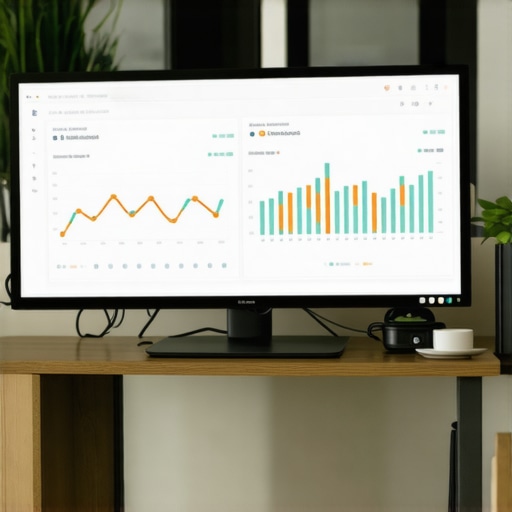
The Hardest Lesson I Learned About Maps Optimization
One of the most valuable lessons I encountered was realizing that Google Maps ranking is a marathon, not a sprint. Early on, I chased quick wins like bulk reviews and citations, but I overlooked the importance of semantic relevance and behavioral signals. It took persistent effort and a holistic approach to see real results, teaching me that trust and authority build over time.
Why Overlooking On-Page Signals Can Hold You Back
Many overlook that on-page SEO tailored for local intent is a game-changer. I once neglected optimizing my website’s local keywords and metadata, and my rankings stagnated despite strong citations and reviews. When I finally aligned my website content with local search intent, my visibility improved dramatically. This taught me that on-page signals and GMB optimization must work hand-in-hand for maximum impact.
Getting Beyond the Surface with Citations and Reviews
It’s tempting to think that simply accumulating reviews and citations will propel you to the top. I learned the hard way that consistency and quality matter more. Inconsistent NAP details across directories can harm your rankings, and fake or irrelevant reviews can do more harm than good. Trusting in genuine, thematically relevant signals made all the difference in my local SEO success.
Curated Resources for Elevating Your Map Rankings
- Moz Local: My go-to for citation management and NAP consistency because it offers real-time monitoring and easy fixes.
- Google Search Console: Essential for tracking website performance and technical health, ensuring your on-site SEO stays aligned with local goals.
- BirdEye: Streamlines review acquisition and management, helping maintain a steady flow of fresh, positive feedback.
- SEMrush: Great for keyword tracking and competitive analysis, enabling me to adapt my local SEO strategy proactively.
Empowering Your Next Move
Mastering Google Maps ranking is an ongoing journey that rewards patience and strategic focus. Implement these insights, leverage the right tools, and stay adaptable as algorithms evolve. Remember, consistent effort and a deep understanding of local relevance will set you apart from the competition. Ready to elevate your local presence? Dive into our comprehensive guide and start transforming your Google Maps strategy today.


Reading this post really resonated with me, especially the part about the importance of ongoing strategy and not just claiming your listing. When I first started dabbling in local SEO, I focused heavily on accumulating reviews and citations without paying enough attention to on-page optimization. It wasn’t until I aligned my website content and local keywords that I saw a real boost in rankings. The suggested tools like Moz Local and SEMrush are game-changers for maintaining consistency and tracking performance. Personally, I’ve found that setting regular audit schedules—monthly check-ins—really helps sustain top positions. What do others find most effective for balancing review management with citation consistency? I’ve been considering automation tools to streamline the process. Would love to hear everyone’s tips on keeping local map rankings steady over the long term.